MOBILE

Management of Molar Incisor Hypomineralization

Recommendations

Foundational Articles

Elhennawy K, Schwendicke F. Managing molar-incisor hypomineralization: A systematic review. J of Dent 2016;55:16-24.

Elhennawy K, Manton DJ, Crombie F, Zaslansky P, Radlanski RJ, Jost-Brinkmann PG, Schwendicke F. Structural, mechanical and chemical evaluation of molar-incisor hypomineralization-affected enamel: A systematic review. Arch Oral Biol 2017;83:272-281.

Elhennawya K, PG Jost-Brinkmanna, DJ Manton, Paris S, Schwendicke F. Managing molars with severe molar-incisor hypomineralization: A cost-effectiveness analysis within German healthcare. J of Dent 63 (2017) 65–71.

Ghanim A, Silva MJ, Elfrink MEC, Lygidakis NA, Mariño RJ, Weerheijm KL, Manton DJ. Molar incisor hypomineralisation (MIH) training manual for clinical field surveys and practice. Eur Arch Paediatr Dent 2017;18(4):225-242.

Jälevik B, Möller M. Evaluation of spontaneous space closure and development of permanent dentition after extraction of hypomineralized permanent first molars. Int J Paediatr Dent. 2007 Sep;17(5):328-35.

Somani C, Taylor GD, Garot E, Rouas P, Lygidakis NA, Wong FSL. An update of treatment modalities in children and adolescents with teeth affected by molar incisor hypomineralisation (MIH): a systematic review. Eur Arch Paediatr Dent. 2021 Jun 10. Epub ahead of print.

Background

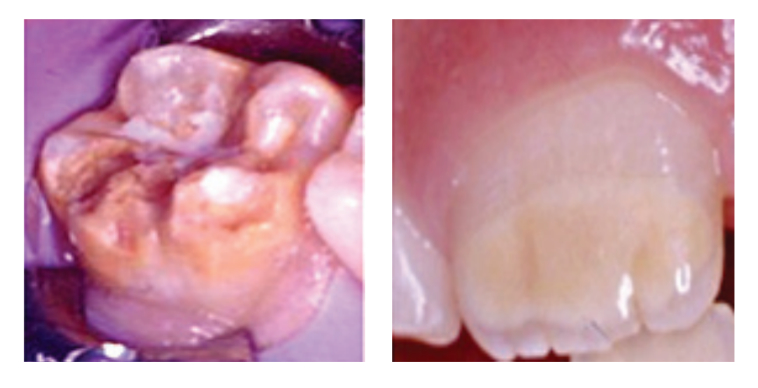
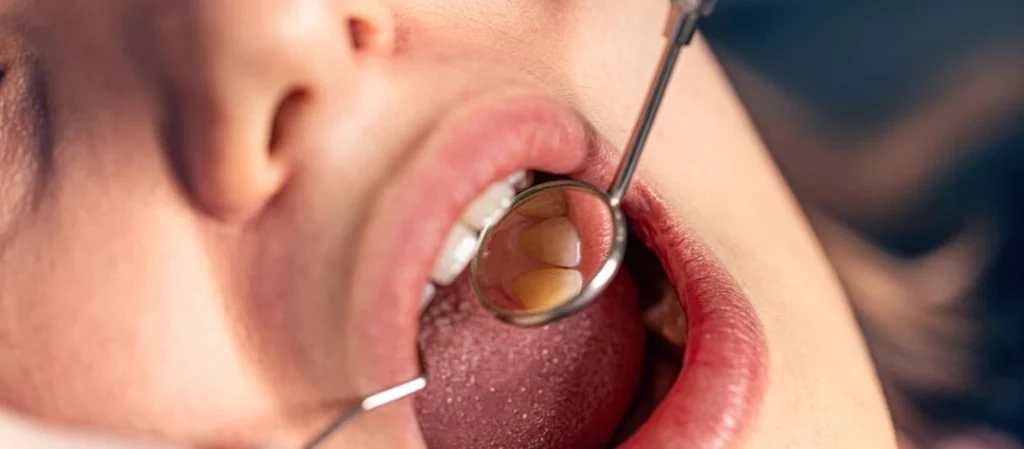
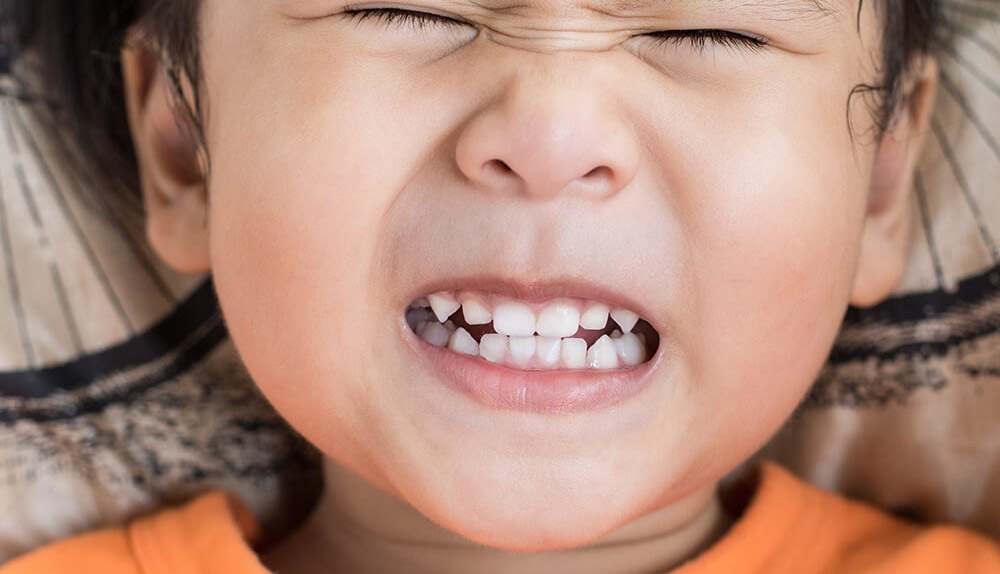
Molar Incisor Hypomineralization (MIH) presents as demarcated, qualitative developmental defects of enamel affecting at least one posterior tooth with or without involvement of the permanent anterior teeth. The severity of MIH defects varies from mild to severe, and the clinical appearance from creamy/ white through yellow to brown color with or without post-eruptive enamel breakdown and possible tooth hypersensitivity (see below photographs). Hypersensitivity impairs tooth brushing and thus increases the risk of caries for MIH teeth (mainly molars). MIH prevalence has been reported to be from 2 to 40 percent.

IAPD Recommendations

  1. Early diagnosis and provision of preventive or early restorative intervention may avoid progressive breakdown and possible pulpal inflammation and hypersensitivity. Consensus-based statement > Global agreement 88%

  2. Restorations in teeth that are severely affected with Molar Incisor Hypomineralization (MIH) are associated with poorer long-term outcomes than in unaffected teeth. Consensus-based recommendation > Global agreement 92%

  3. MIH-affected enamel may have compromised bonding for sealants and composite restorations. When possible, adhesive restorations cavity preparations should extend into sound tooth hard tissue. Consensus-based statement > Global agreement 87%

  4. Amalgam restorations show high failure rates in atypically shaped molar MIH-preparations. The need for retentive cavity preparations might further compromise existing tooth defects. Consensus-based statement > Global agreement 83%

  5. Glass ionomer cements have high failure rate in MIH but may be used for temporization of teeth. Consensus-based statement > Global agreement 83%

  6. Preformed metal crowns, direct composite resin restorations and laboratory-made restorations have been used to restore MIH-affected molars. Consensus-based statement > Global agreement 83%

  7. For mild cases of MIH in incisors a combination of etching, bleaching, and sealing of affected areas have been used as a conservative approach. For more severe cases, micro-abrasion or composite veneers may improve aesthetics. Consensus-based statement > Global agreement 83%

  8. Tooth extractions of first permanent molars with or without subsequent orthodontic alignment may be considered before the eruption of the second molars when more than one tooth is affected with severe MIH. Consensus-based statement > Global agreement 89%

  9. Frequent recalls and topical fluoride applications should be established for patients with MIH due to the high failure rates of restorations, secondary caries, and further breakdown. Consensus-based statement > Global agreement 83%

Other Recommendations