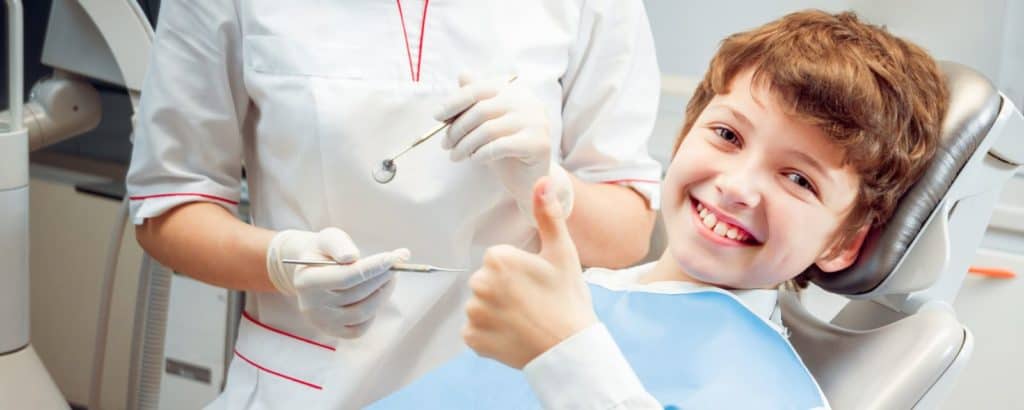
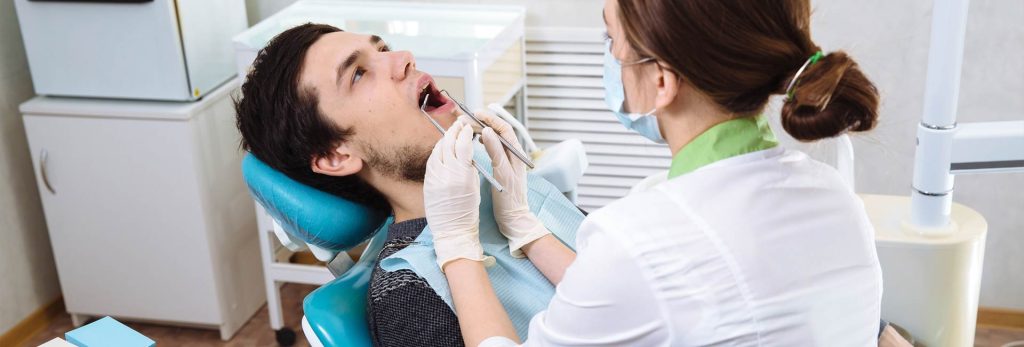
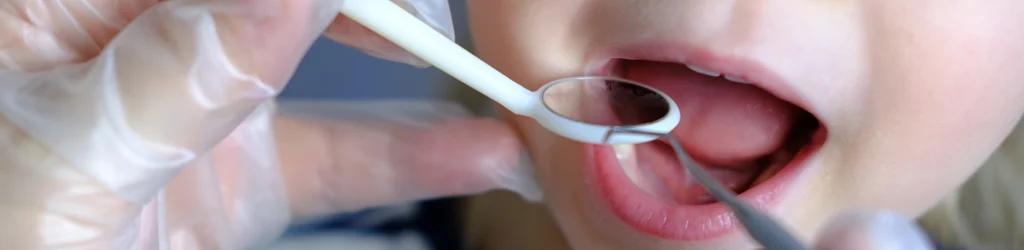
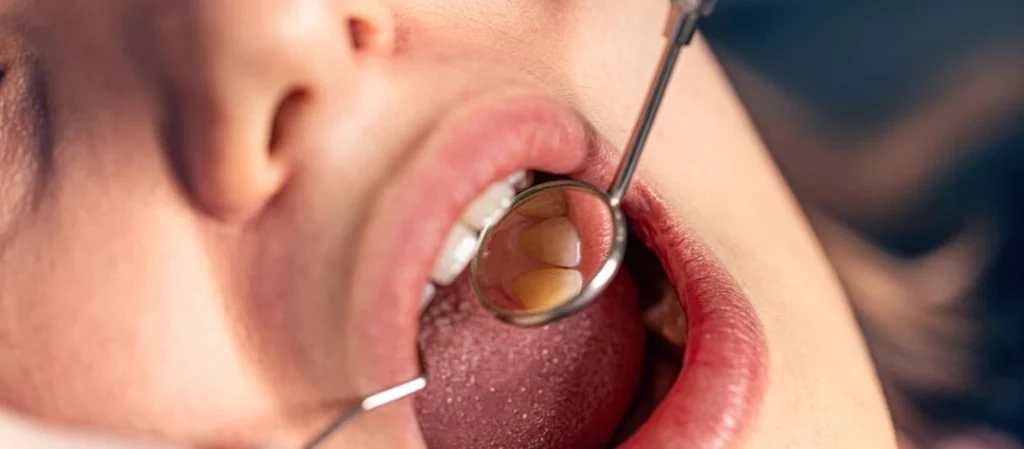
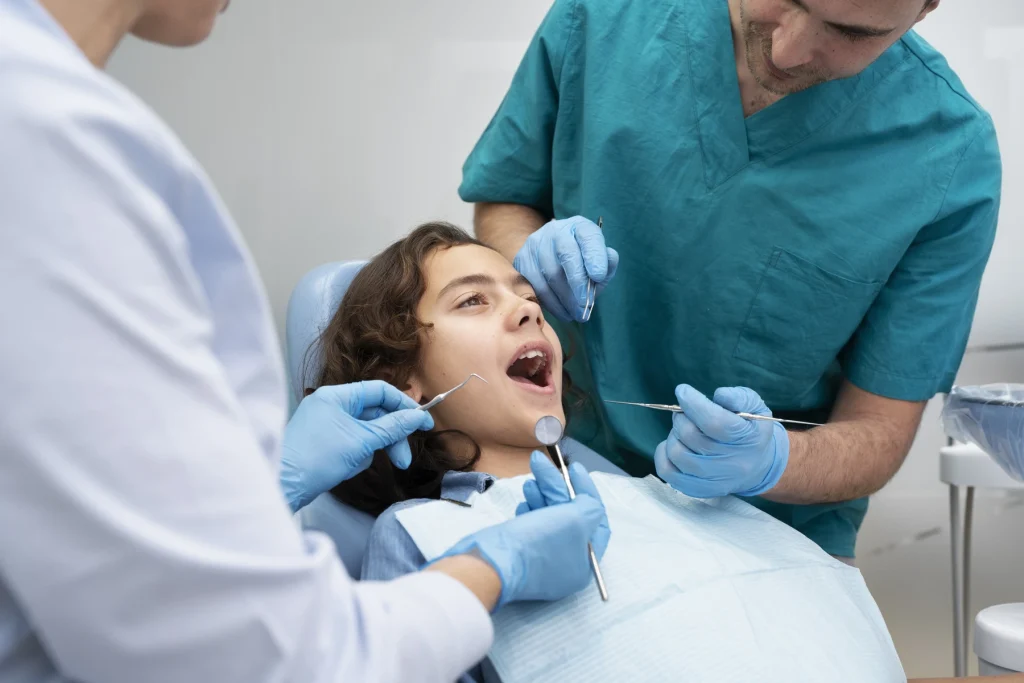
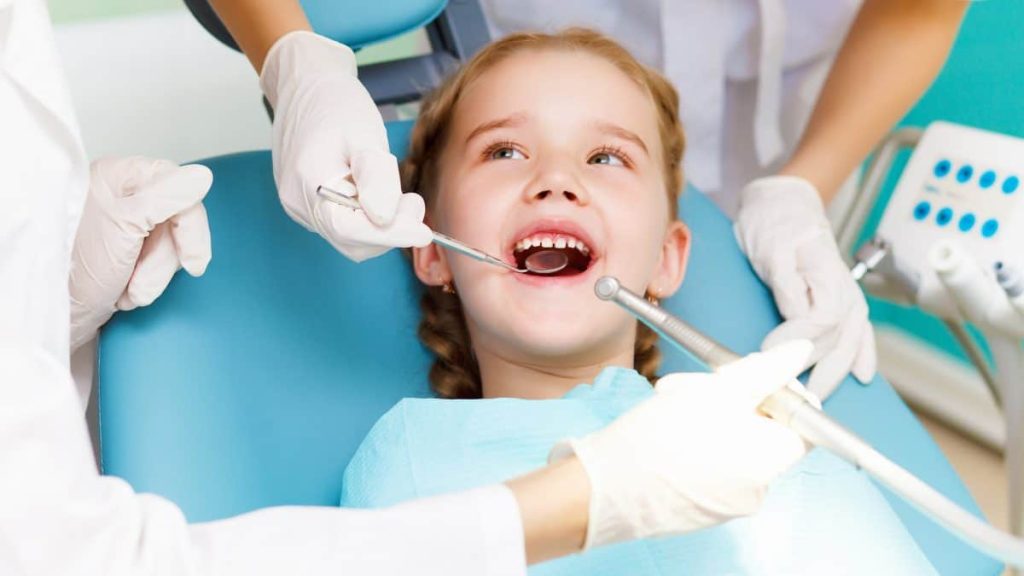
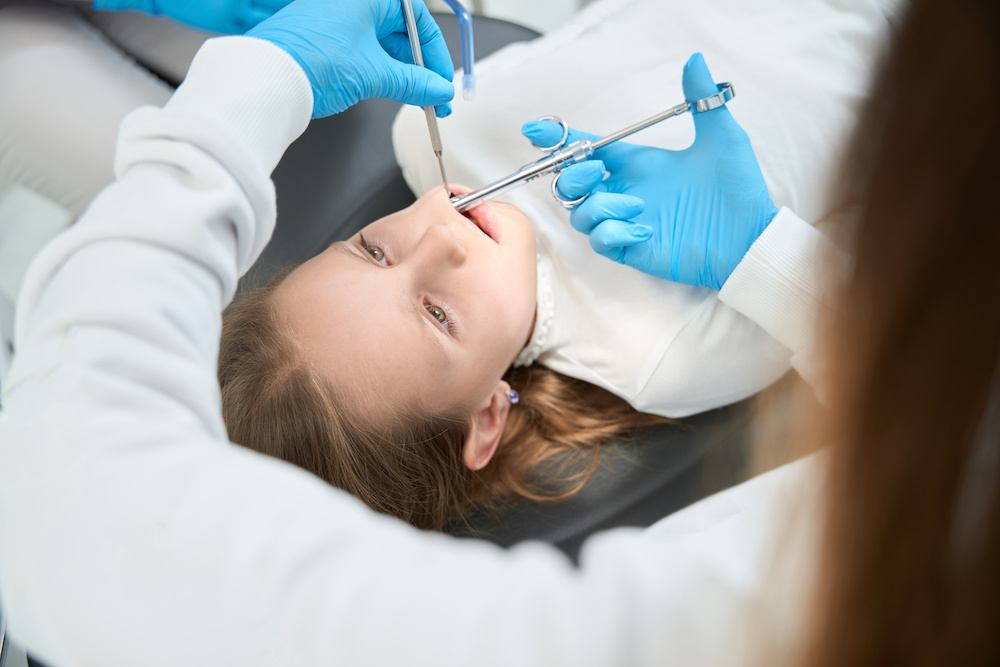
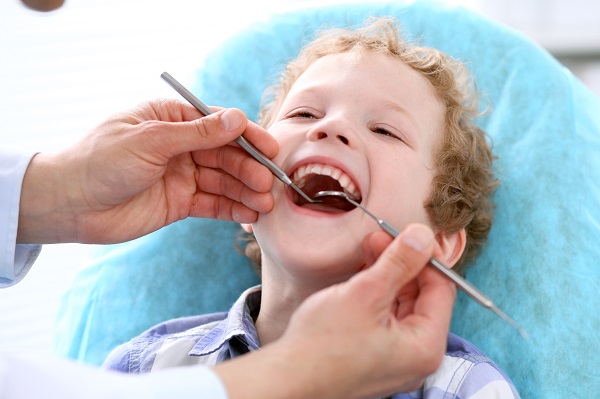
Occlusion is an integral component of the maxillofacial complex, and its development begins early in life and continues through adolescence. Proper alignment of teeth and harmonious occlusal development are important for oral function, facial aesthetics, and psychological well-being.
Untreated malocclusions may contribute to dental caries, periodontal disease, temporomandibular disorders, abnormal craniofacial growth patterns, and compromised facial aesthetics. Early orthodontic evaluation allows clinicians to identify developing skeletal or dentoalveolar discrepancies and implement interceptive interventions where appropriate.
Core principles include:
Early identification of malocclusions during the primary and mixed dentition
Use of visual treatment objectives to guide treatment planning
Implementation of interceptive orthodontic interventions when indicated
Prevention of trauma, functional impairment, and worsening skeletal discrepancies
Collaboration with orthodontic specialists for complex cases
Early orthodontic management can reduce the complexity and duration of comprehensive orthodontic treatment later in adolescence.
Age appropriate tooth alignment…
IAPD Consensus Recommendations
Early diagnosis and intervention of malocclusions can address developing skeletal, dentoalveolar, and muscular imbalances and reduce the need for complex orthodontic treatment in adolescence. (Consensus-based statement; Global agreement: 98%)
Visual treatment objectives should be used to guide treatment planning and optimize occlusion and facial form during growth. (Consensus-based statement; Global agreement: 93%)
Simple appliances and eruption guidance methods such as space maintainers, space regainers, or extraction of primary canines may be used to manage arch length discrepancies, crossbites, and minor malocclusions during the primary or early mixed dentition. (Consensus-based statement; Global agreement: 95%)
Early management of Class II and Class III malocclusions may reduce the risk of incisal trauma and temporomandibular disorders. (Consensus-based statement; Global agreement: 98%)
Referral to an orthodontic specialist should be considered when complex cases are identified. (Consensus-based statement; Global agreement: 100%)
Related Educational Resources
To support clinical implementation and knowledge translation, IAPD has developed complementary educational materials.
IAPD Podcast Series
The IAPD podcast series explores evidence-based approaches to paediatric dental care and clinical decision-making.
Selected IAPD webinars address pain management strategies and clinical decision-making in paediatric dentistry.
Watch on the IAPD YouTube channel
Suggested Citation
International Association of Paediatric Dentistry (IAPD). IAPD Foundational Articles and Recommendations on Behaviour Guidance in Paediatric Dental Patients. Originally published 2019. Global Agreement Validation 2022.
We use cookies on our website to give you the most relevant experience by remembering your preferences and repeat visits. By clicking “Accept All”, you consent to the use of ALL the cookies. However, you may visit "Cookie Settings" to provide a controlled consent.
This website uses cookies to improve your experience while you navigate through the website. Out of these, the cookies that are categorized as necessary are stored on your browser as they are essential for the working of basic functionalities of the website. We also use third-party cookies that help us analyze and understand how you use this website. These cookies will be stored in your browser only with your consent. You also have the option to opt-out of these cookies. But opting out of some of these cookies may affect your browsing experience.
Necessary cookies are absolutely essential for the website to function properly. These cookies ensure basic functionalities and security features of the website, anonymously.
Cookie
Duration
Description
cookielawinfo-checkbox-analytics
11 months
This cookie is set by GDPR Cookie Consent plugin. The cookie is used to store the user consent for the cookies in the category "Analytics".
cookielawinfo-checkbox-functional
11 months
The cookie is set by GDPR cookie consent to record the user consent for the cookies in the category "Functional".
cookielawinfo-checkbox-necessary
11 months
This cookie is set by GDPR Cookie Consent plugin. The cookies is used to store the user consent for the cookies in the category "Necessary".
cookielawinfo-checkbox-others
11 months
This cookie is set by GDPR Cookie Consent plugin. The cookie is used to store the user consent for the cookies in the category "Other.
cookielawinfo-checkbox-performance
11 months
This cookie is set by GDPR Cookie Consent plugin. The cookie is used to store the user consent for the cookies in the category "Performance".
viewed_cookie_policy
11 months
The cookie is set by the GDPR Cookie Consent plugin and is used to store whether or not user has consented to the use of cookies. It does not store any personal data.
Functional cookies help to perform certain functionalities like sharing the content of the website on social media platforms, collect feedbacks, and other third-party features.
Performance cookies are used to understand and analyze the key performance indexes of the website which helps in delivering a better user experience for the visitors.
Analytical cookies are used to understand how visitors interact with the website. These cookies help provide information on metrics the number of visitors, bounce rate, traffic source, etc.
Advertisement cookies are used to provide visitors with relevant ads and marketing campaigns. These cookies track visitors across websites and collect information to provide customized ads.
Other uncategorized cookies are those that are being analyzed and have not been classified into a category as yet.
Free IAPD Member BenefitIn collaboration with DMG & Interdentale
Interdentale Online World Congress
“Little Smiles, Big Impact – Advancing Paediatric Oral Health”
📅 December 5, 2026
🎓 4 CE Credits
🌐 100% Online & Live
Member Reduction Code
Use code below on Eveeno to waive 100% of your registration fee.
IAPD2026
4 High-Impact Lectures: Learn from globally renowned IAPD and Interdentale faculty:
Dr. Marina Papachroni, Prof. Norman Tinanoff, Prof. Katrin Bekes, and Dr. Susanne Effenberger.
3-Step Free Registration Process
1Click the registration button below to access the secure Eveeno booking portal directly.
2Enter your personal details (only your Name and Email address are mandatory).
3Select your ticket (the Early Bird offer is selectable through 31 October) and apply coupon code IAPD2026 at checkout.