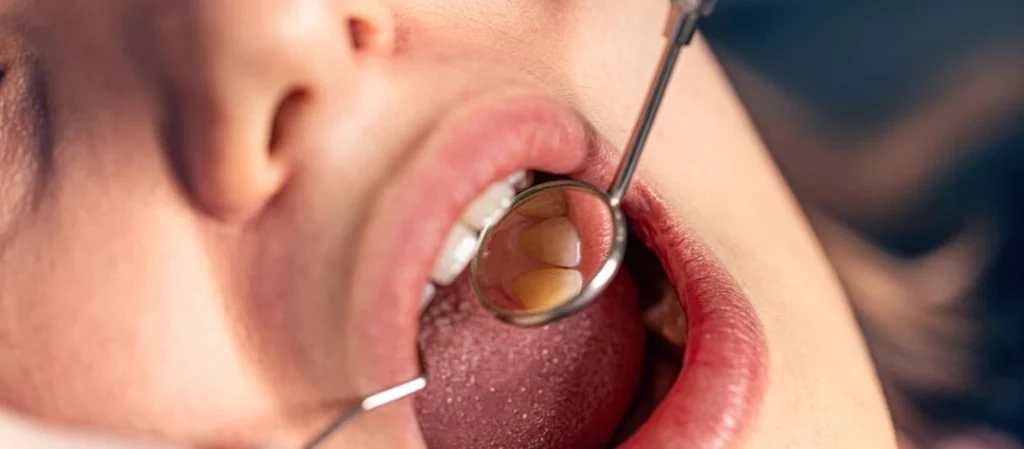
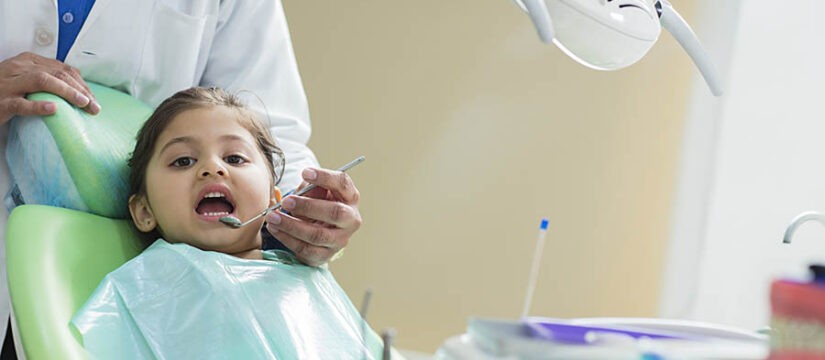
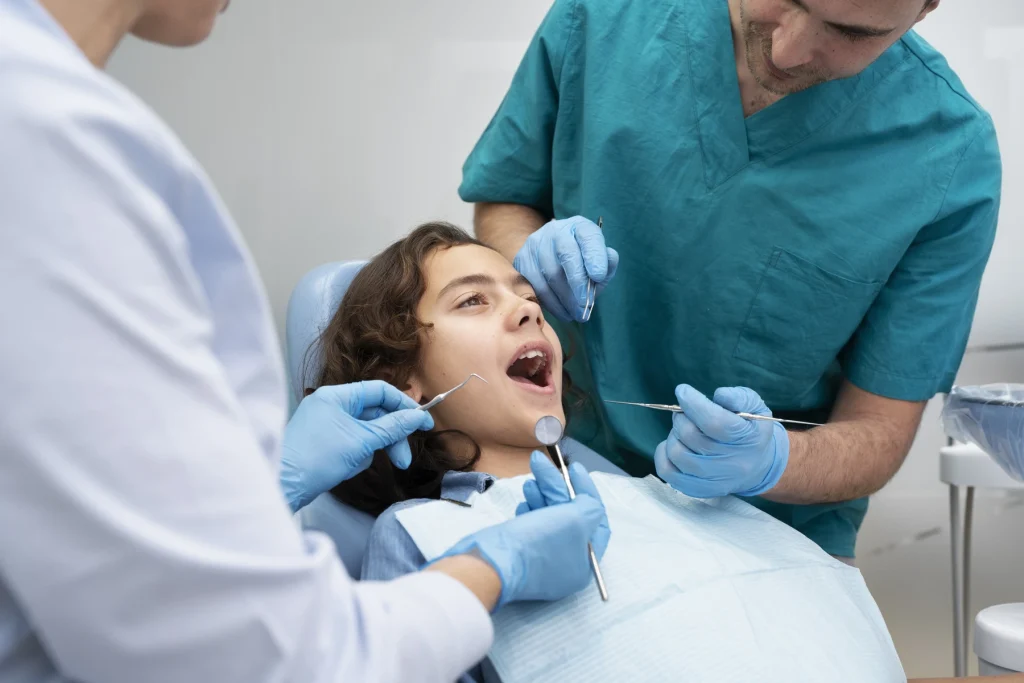
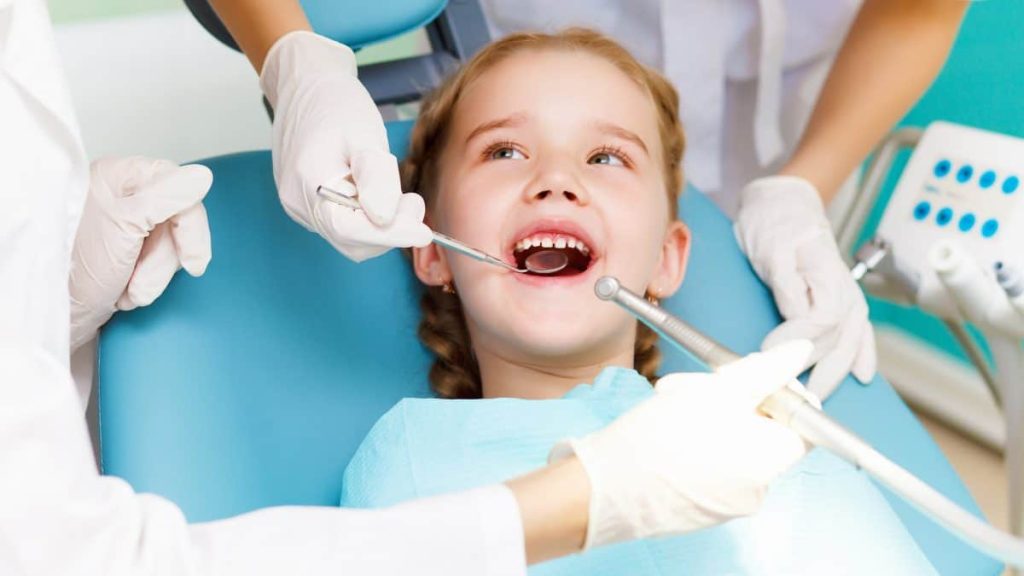
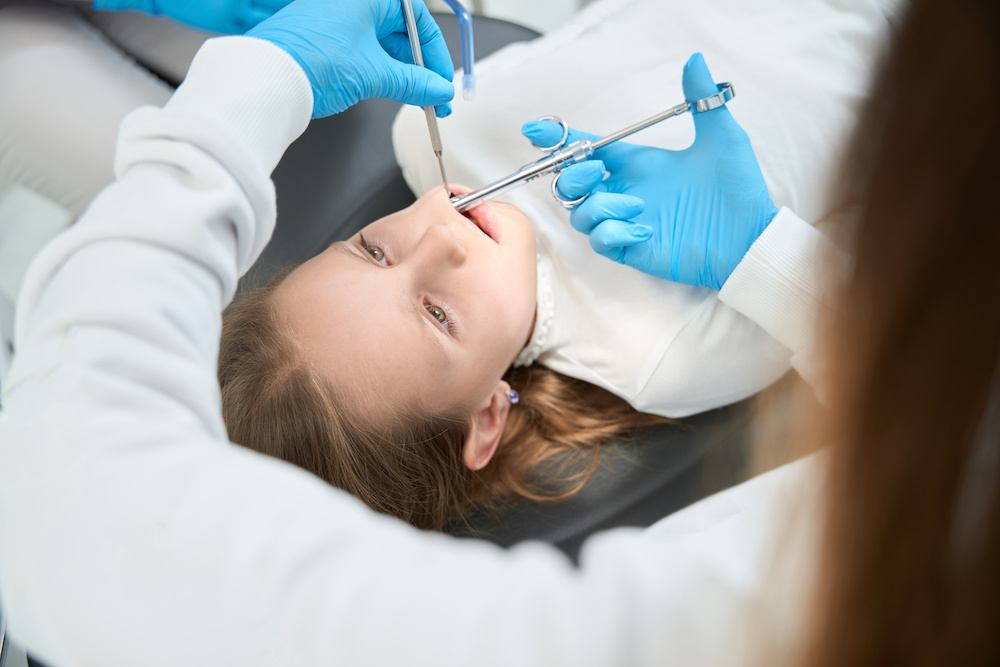
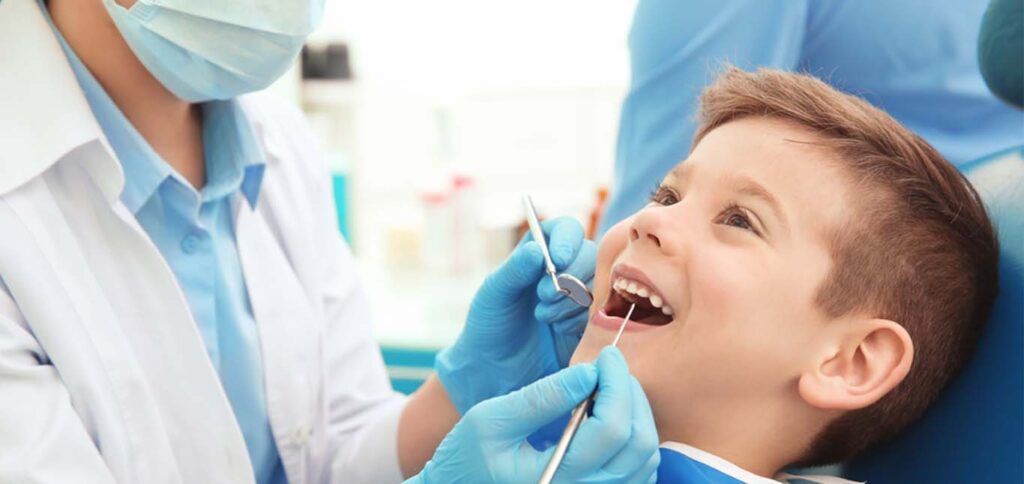
Restorative dentistry in children aims to maintain tooth vitality, restore function, and prevent further disease progression while preserving as much natural tooth structure as possible.
Treatment decisions should be based on individual caries risk assessment, disease activity, and the child’s behavioural and medical circumstances.
Core principles include:
Maintaining tooth vitality and structural integrity
Managing dental caries through preventive and restorative strategies
Using restorative materials appropriate for the clinical situation
Selecting treatment approaches that maximise long-term tooth survival
Considering minimally invasive options where appropriate
The goal is to provide durable restorations that maintain oral health and function throughout childhood and into adulthood.
IAPD Recommendations
Consensus-Based Recommendations
(Evaluated for Global Agreement in 2022)
High viscosity glass ionomer cements may be used in atraumatic restorative treatment (ART) or interim therapeutic restorations (ITR), as an option for conventional treatment in primary teeth. ART/ITR may be used for controlling caries in children who are not cooperative for definitive treatment or for treating multiple open carious lesions before definitive restoration. Global Agreement: 100%
Glass ionomer and resin-modified glass ionomer restorative materials may be used for single-surface restorations in primary and permanent posterior teeth. Global Agreement: 87%
Where local regulations permit and without contraindications to the use of amalgam, providers may use dental amalgam for restorations based on clinical judgement and shared decision-making. Global Agreement: 79%
Because of the greater longevity of preformed metal crowns, their use may be recommended for high-risk children with multi-surface or large cavitated lesions on primary molars, particularly when children undergo full mouth rehabilitation under general anaesthesia. Global Agreement: 95%
In cases of permanent teeth with large carious lesions or severe enamel defects, preformed metal crowns may be used as semi-permanent restorations. Global Agreement: 95%
Zirconia crowns are an aesthetic alternative to preformed metal crowns and may be used for teeth with similar indications. Global Agreement: 79%
Related Educational Resources
To support clinical implementation and knowledge translation, IAPD has developed complementary educational materials.
IAPD Podcast Series
Expert discussions exploring restorative decision-making and minimally invasive approaches in paediatric dentistry.
Relevant webinars address restorative strategies, material selection, and minimally invasive management in children.
Watch the Webinar Recording
Suggested Citation
International Association of Paediatric Dentistry (IAPD). IAPD Foundational Articles and Recommendations on Behaviour Guidance in Paediatric Dental Patients. Originally published 2019. Global Agreement Validation 2022.
We use cookies on our website to give you the most relevant experience by remembering your preferences and repeat visits. By clicking “Accept All”, you consent to the use of ALL the cookies. However, you may visit "Cookie Settings" to provide a controlled consent.
This website uses cookies to improve your experience while you navigate through the website. Out of these, the cookies that are categorized as necessary are stored on your browser as they are essential for the working of basic functionalities of the website. We also use third-party cookies that help us analyze and understand how you use this website. These cookies will be stored in your browser only with your consent. You also have the option to opt-out of these cookies. But opting out of some of these cookies may affect your browsing experience.
Necessary cookies are absolutely essential for the website to function properly. These cookies ensure basic functionalities and security features of the website, anonymously.
Cookie
Duration
Description
cookielawinfo-checkbox-analytics
11 months
This cookie is set by GDPR Cookie Consent plugin. The cookie is used to store the user consent for the cookies in the category "Analytics".
cookielawinfo-checkbox-functional
11 months
The cookie is set by GDPR cookie consent to record the user consent for the cookies in the category "Functional".
cookielawinfo-checkbox-necessary
11 months
This cookie is set by GDPR Cookie Consent plugin. The cookies is used to store the user consent for the cookies in the category "Necessary".
cookielawinfo-checkbox-others
11 months
This cookie is set by GDPR Cookie Consent plugin. The cookie is used to store the user consent for the cookies in the category "Other.
cookielawinfo-checkbox-performance
11 months
This cookie is set by GDPR Cookie Consent plugin. The cookie is used to store the user consent for the cookies in the category "Performance".
viewed_cookie_policy
11 months
The cookie is set by the GDPR Cookie Consent plugin and is used to store whether or not user has consented to the use of cookies. It does not store any personal data.
Functional cookies help to perform certain functionalities like sharing the content of the website on social media platforms, collect feedbacks, and other third-party features.
Performance cookies are used to understand and analyze the key performance indexes of the website which helps in delivering a better user experience for the visitors.
Analytical cookies are used to understand how visitors interact with the website. These cookies help provide information on metrics the number of visitors, bounce rate, traffic source, etc.
Advertisement cookies are used to provide visitors with relevant ads and marketing campaigns. These cookies track visitors across websites and collect information to provide customized ads.