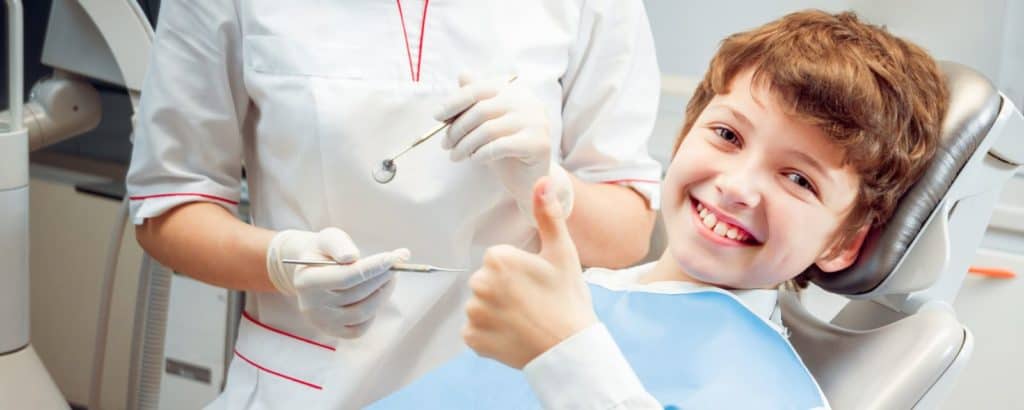
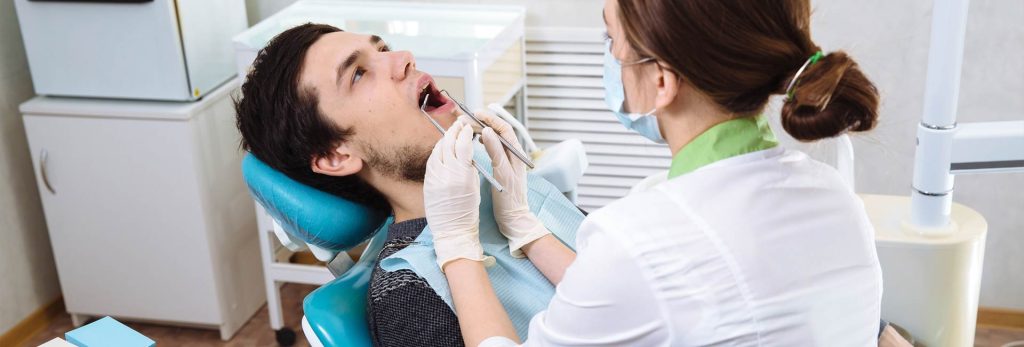
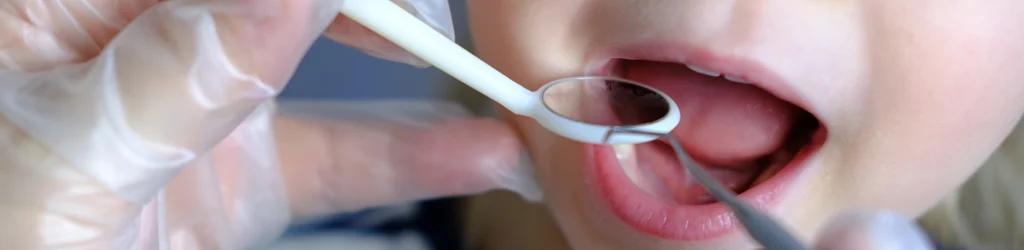
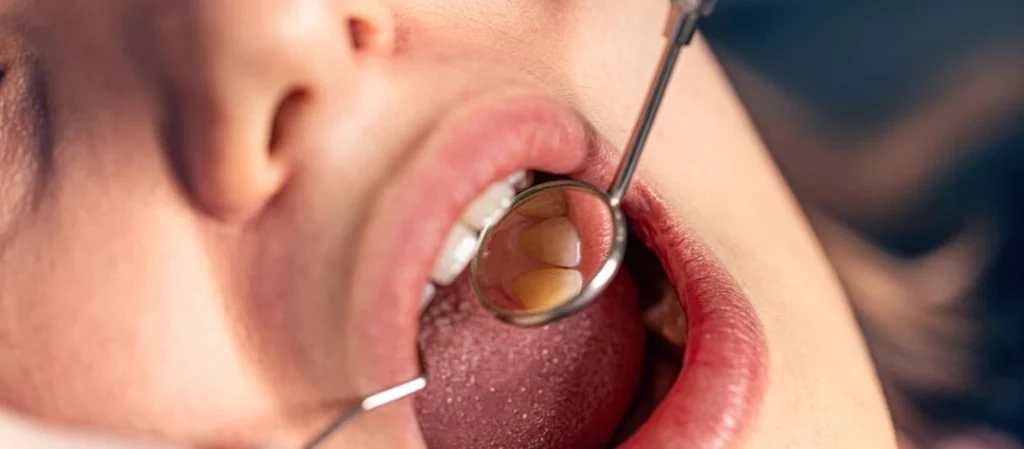
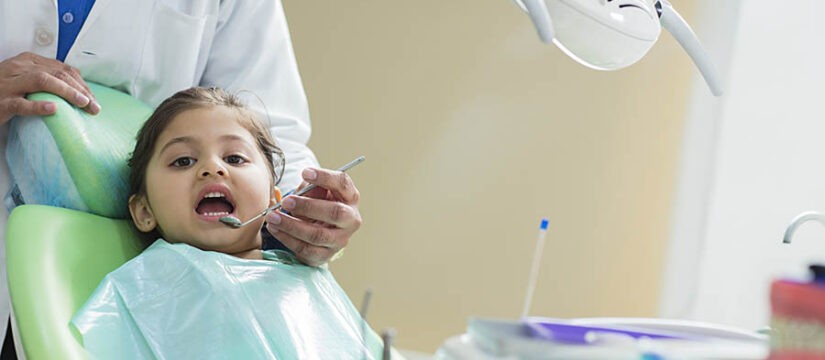
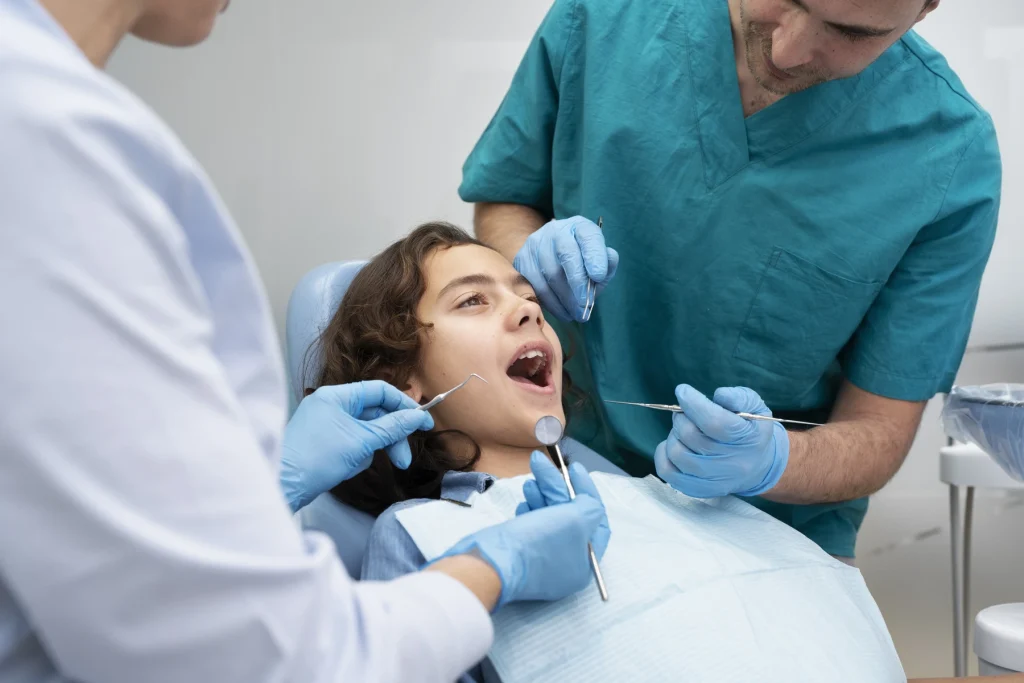
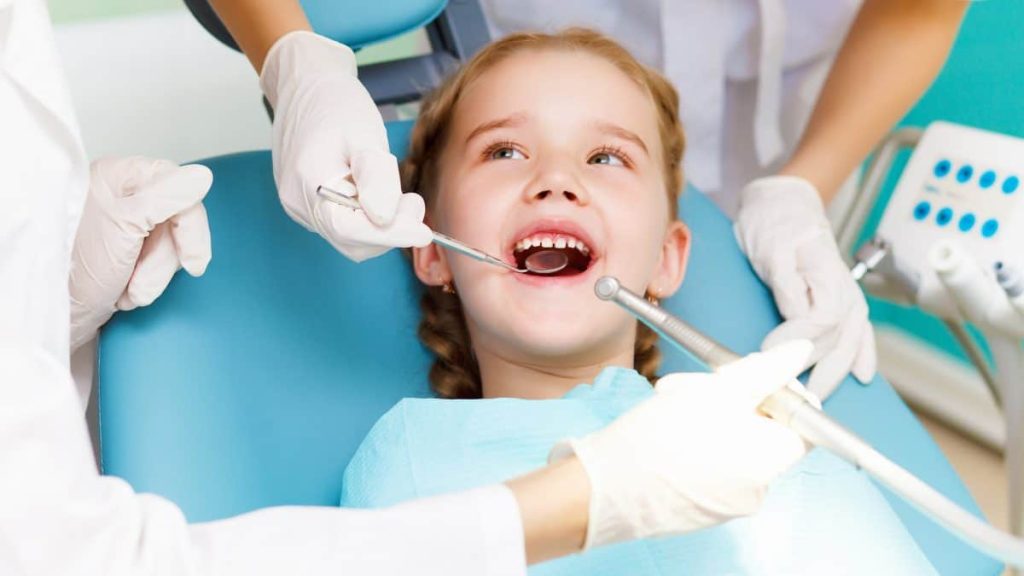
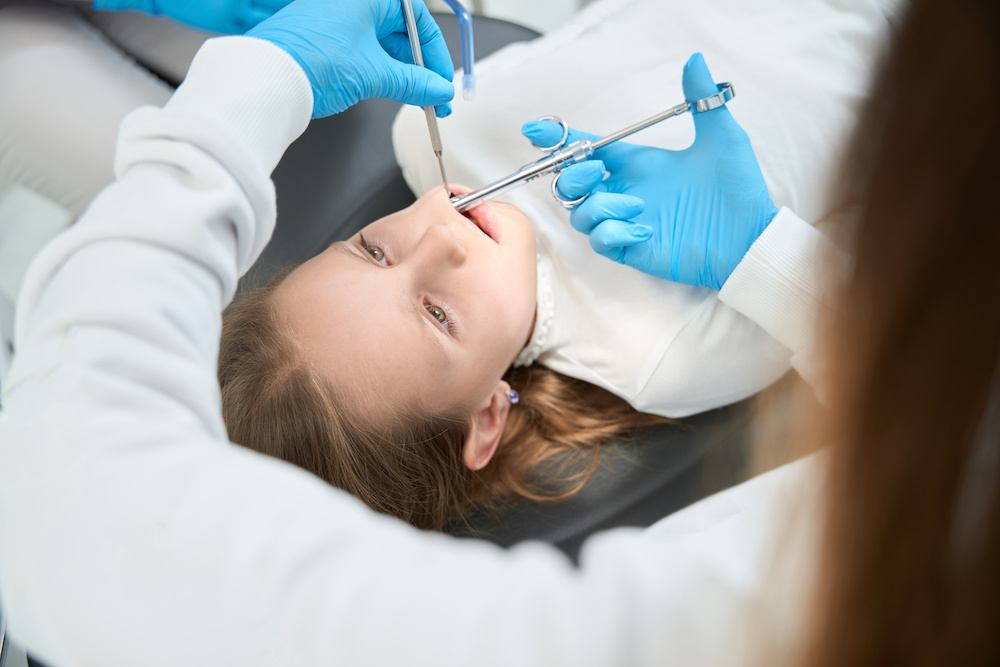
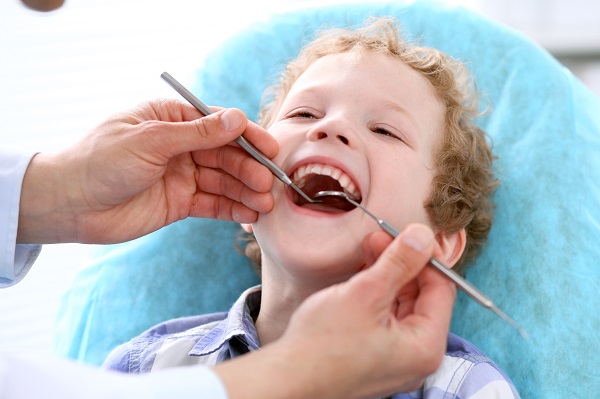
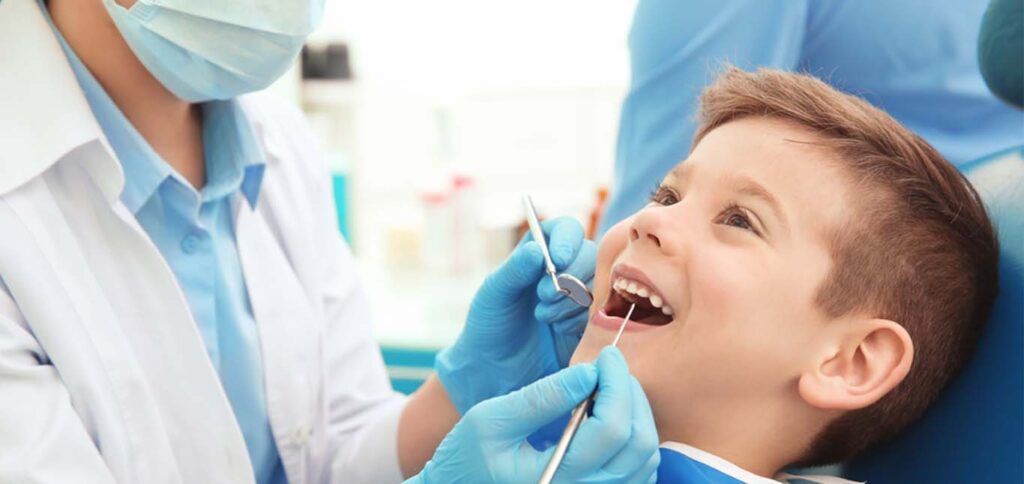
Atraumatic Restorative Treatment (ART) is a minimally invasive approach to the management of dental caries that involves the removal of soft, demineralised carious tissue using hand instruments, followed by restoration of the cavity with an adhesive restorative material, typically high-viscosity glass ionomer cement.
ART was originally developed to improve access to dental care in underserved or resource-limited settings, but it is now recognised as a valuable treatment option in a wide range of clinical situations.
Core principles include:
Removal of softened carious dentine using hand instruments
Preservation of sound tooth structure
Use of adhesive restorative materials that release fluoride
Application in community settings and conventional dental clinics
Integration with preventive strategies and ongoing oral health care
ART supports minimally invasive dentistry by focusing on disease control, preservation of tooth structure, and improved access to care.
IAPD Recommendations
Evidence-Based Recommendations
Atraumatic Restorative Treatment is an effective method for managing dental caries in primary teeth, particularly for single-surface lesions.
High-viscosity glass ionomer cement is the preferred restorative material for ART because of its adhesive properties and fluoride release.
ART may be used as part of community-based oral health programmes and in settings where access to conventional dental equipment is limited.
(Evidence-based recommendations are not subject to global agreement scoring.)
Consensus-Based Recommendations
(Evaluated for Global Agreement in 2022)
ART may be considered an appropriate treatment option for managing dental caries in children who have limited cooperation or when conventional restorative care is not immediately feasible.
ART should be integrated with preventive measures, including oral hygiene education, dietary counselling, and appropriate fluoride use.
Dental professionals should receive appropriate training in the clinical techniques required for effective implementation of ART.
Related Educational Resources
To support clinical implementation and knowledge translation, IAPD has developed complementary educational materials.
IAPD Podcast Series
Topics related to minimally invasive dentistry and community-based caries management may be discussed within the IAPD Podcast Series.
Relevant webinars may explore clinical techniques and preventive strategies associated with minimally invasive dental care.
Dr. Eraldo Pesaressi Torres
Suggested Citation
International Association of Paediatric Dentistry (IAPD). IAPD Foundational Articles and Recommendations on Behaviour Guidance in Paediatric Dental Patients. Originally published 2019. Global Agreement Validation 2022.
We use cookies on our website to give you the most relevant experience by remembering your preferences and repeat visits. By clicking “Accept All”, you consent to the use of ALL the cookies. However, you may visit "Cookie Settings" to provide a controlled consent.
This website uses cookies to improve your experience while you navigate through the website. Out of these, the cookies that are categorized as necessary are stored on your browser as they are essential for the working of basic functionalities of the website. We also use third-party cookies that help us analyze and understand how you use this website. These cookies will be stored in your browser only with your consent. You also have the option to opt-out of these cookies. But opting out of some of these cookies may affect your browsing experience.
Necessary cookies are absolutely essential for the website to function properly. These cookies ensure basic functionalities and security features of the website, anonymously.
Cookie
Duration
Description
cookielawinfo-checkbox-analytics
11 months
This cookie is set by GDPR Cookie Consent plugin. The cookie is used to store the user consent for the cookies in the category "Analytics".
cookielawinfo-checkbox-functional
11 months
The cookie is set by GDPR cookie consent to record the user consent for the cookies in the category "Functional".
cookielawinfo-checkbox-necessary
11 months
This cookie is set by GDPR Cookie Consent plugin. The cookies is used to store the user consent for the cookies in the category "Necessary".
cookielawinfo-checkbox-others
11 months
This cookie is set by GDPR Cookie Consent plugin. The cookie is used to store the user consent for the cookies in the category "Other.
cookielawinfo-checkbox-performance
11 months
This cookie is set by GDPR Cookie Consent plugin. The cookie is used to store the user consent for the cookies in the category "Performance".
viewed_cookie_policy
11 months
The cookie is set by the GDPR Cookie Consent plugin and is used to store whether or not user has consented to the use of cookies. It does not store any personal data.
Functional cookies help to perform certain functionalities like sharing the content of the website on social media platforms, collect feedbacks, and other third-party features.
Performance cookies are used to understand and analyze the key performance indexes of the website which helps in delivering a better user experience for the visitors.
Analytical cookies are used to understand how visitors interact with the website. These cookies help provide information on metrics the number of visitors, bounce rate, traffic source, etc.
Advertisement cookies are used to provide visitors with relevant ads and marketing campaigns. These cookies track visitors across websites and collect information to provide customized ads.