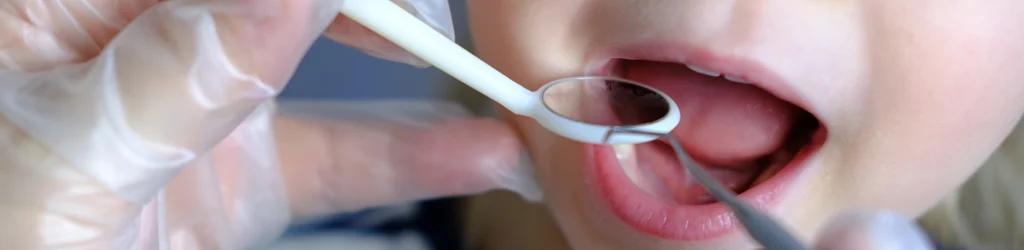
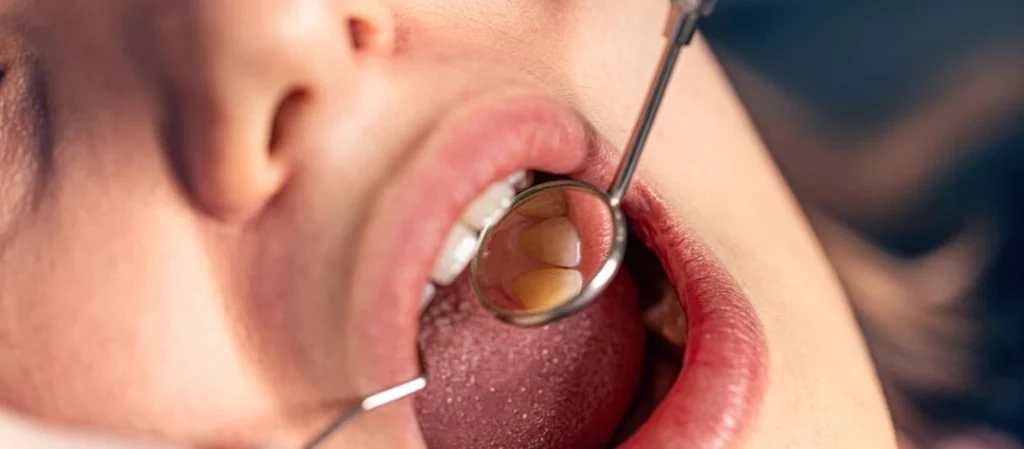
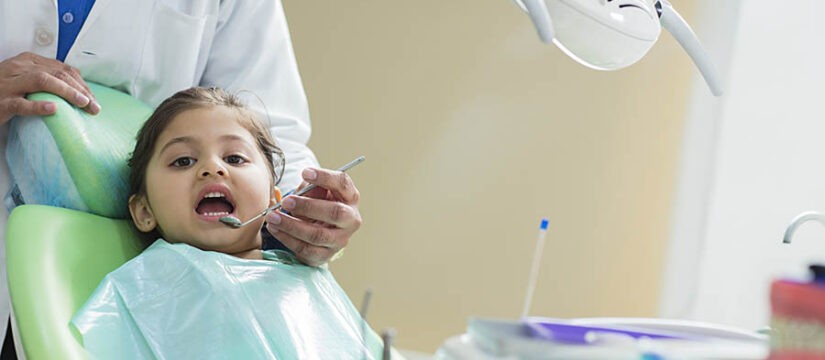
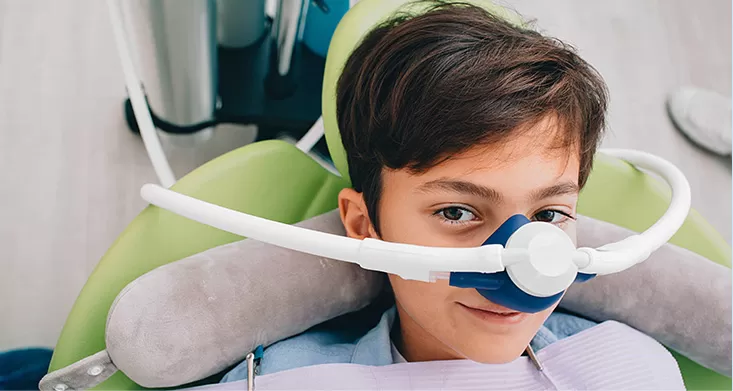
Bruxism is a repetitive jaw-muscle activity characterized by clenching or grinding of the teeth and/or thrusting of the mandible. It may occur during sleep or while awake and has a multifactorial aetiology involving biological, psychological, and lifestyle factors.
Reported prevalence varies widely in children, with many cases resolving naturally with age. While bruxism is often benign, it may be associated with tooth wear, temporomandibular discomfort, or underlying medical conditions.
Core principles include:
Comprehensive assessment of medical, behavioural, and psychological factors
Recognition that bruxism may be associated with systemic conditions or sleep disorders
Careful clinical examination of tooth wear, muscles of mastication, and temporomandibular joints
Individualized management based on the patient’s symptoms and risk factors
Referral to medical professionals when systemic factors are suspected
Management should be individualized, and in many cases active intervention may not be required.
IAPD Consensus Recommendations
Diagnosis of bruxism should include a thorough history, clinical examination, and possible assessment of muscle activity. (Consensus-based recommendation; Global agreement: 98%)
Minimum diagnostic criteria include reported tooth grinding or clenching together with abnormal tooth wear, bruxism-related sounds, or muscle discomfort. (Consensus-based recommendation; Global agreement: 100%)
Assessment of possible gastro-oesophageal reflux disease should be considered when evaluating tooth wear that may be associated with bruxism. (Consensus-based statement; Global agreement: 98%)
Clinical examination should include assessment of the muscles of mastication, temporomandibular joint function, mouth opening, and tooth wear patterns. (Consensus-based recommendation; Global agreement: 96%)
Management should be individualized and may include behavioural strategies, occlusal splints, rapid palatal expansion, or monitoring without active treatment. (Consensus-based recommendation; Global agreement: 93%)
Referral to a paediatrician or physician should be considered when bruxism may be related to systemic medical conditions. (Consensus-based recommendation; Global agreement: 96%)
There is currently insufficient evidence to support pharmacological management of sleep bruxism in children. (Consensus-based recommendation; Global agreement: 93%)
Related Educational Resources
To support clinical implementation and knowledge translation, IAPD provides additional educational materials.
IAPD Podcast Series
The IAPD podcast series explores evidence-based approaches to paediatric dental care and clinical decision-making.
Selected IAPD webinars address pain management strategies and clinical decision-making in paediatric dentistry.
Watch on the IAPD YouTube channel
Playlist
2 Videos
Suggested Citation
International Association of Paediatric Dentistry (IAPD). IAPD Foundational Articles and Recommendations on Behaviour Guidance in Paediatric Dental Patients. Originally published 2019. Global Agreement Validation 2022.
We use cookies on our website to give you the most relevant experience by remembering your preferences and repeat visits. By clicking “Accept All”, you consent to the use of ALL the cookies. However, you may visit "Cookie Settings" to provide a controlled consent.
This website uses cookies to improve your experience while you navigate through the website. Out of these, the cookies that are categorized as necessary are stored on your browser as they are essential for the working of basic functionalities of the website. We also use third-party cookies that help us analyze and understand how you use this website. These cookies will be stored in your browser only with your consent. You also have the option to opt-out of these cookies. But opting out of some of these cookies may affect your browsing experience.
Necessary cookies are absolutely essential for the website to function properly. These cookies ensure basic functionalities and security features of the website, anonymously.
Cookie
Duration
Description
cookielawinfo-checkbox-analytics
11 months
This cookie is set by GDPR Cookie Consent plugin. The cookie is used to store the user consent for the cookies in the category "Analytics".
cookielawinfo-checkbox-functional
11 months
The cookie is set by GDPR cookie consent to record the user consent for the cookies in the category "Functional".
cookielawinfo-checkbox-necessary
11 months
This cookie is set by GDPR Cookie Consent plugin. The cookies is used to store the user consent for the cookies in the category "Necessary".
cookielawinfo-checkbox-others
11 months
This cookie is set by GDPR Cookie Consent plugin. The cookie is used to store the user consent for the cookies in the category "Other.
cookielawinfo-checkbox-performance
11 months
This cookie is set by GDPR Cookie Consent plugin. The cookie is used to store the user consent for the cookies in the category "Performance".
viewed_cookie_policy
11 months
The cookie is set by the GDPR Cookie Consent plugin and is used to store whether or not user has consented to the use of cookies. It does not store any personal data.
Functional cookies help to perform certain functionalities like sharing the content of the website on social media platforms, collect feedbacks, and other third-party features.
Performance cookies are used to understand and analyze the key performance indexes of the website which helps in delivering a better user experience for the visitors.
Analytical cookies are used to understand how visitors interact with the website. These cookies help provide information on metrics the number of visitors, bounce rate, traffic source, etc.
Advertisement cookies are used to provide visitors with relevant ads and marketing campaigns. These cookies track visitors across websites and collect information to provide customized ads.